Reimagining Spaces: Cutting-Edge Architectural Trends
Innovative architectural trends are reshaping our built environments in meaningful ways. From smart buildings that elevate daily life to biophilic designs that reconnect us with nature, these developments are transforming how we perceive space. Modular construction is simplifying processes, while adaptive reuse reinvigorates communities. Yet, the implications go beyond aesthetics to influence social dynamics and sustainability. What does this mean for the future of urban planning and community engagement?
The Ways Smart Buildings Elevate Daily Life
With the ongoing advancement of technology, smart buildings have emerged as a transformative solution that enhances daily life for their occupants. These structures utilize advanced sensors, automation, and connectivity to create a seamless living and working environment. By integrating systems such as lighting, heating, and security, smart buildings deliver increased comfort and convenience. For instance, occupants can control their environment remotely through smart devices, adjusting settings to meet personal preferences.
Additionally, smart buildings foster efficiency by optimizing energy use and decreasing operational costs. Advanced monitoring systems track performance and maintenance needs, enabling timely interventions. This not only lengthens the life of building systems but also creates a safer and more comfortable space. Additionally, smart buildings often contain components that enhance health and wellness, such as improved air quality and natural light management. Overall, these innovations greatly increase the quality of life for those who occupy these futuristic spaces.
Eco-Friendly Approaches for a More Environmentally Friendly Future
As urbanization accelerates at an unprecedented pace, the integration of sustainable practices in architecture has become vital for advancing a greener future. Architects and designers are increasingly prioritizing eco-friendly materials, energy-efficient systems, and innovative waste-reduction strategies. The utilization of renewable resources, such as solar panels and rainwater harvesting systems, demonstrates the shift towards reducing environmental impact.
In addition, passive design approaches, which optimize natural light and ventilation, are gaining popularity, reducing reliance on artificial energy sources. Green roofs and living walls not only boost aesthetic appeal but also promote improved air quality and biodiversity.
Local community participation in sustainable planning cultivates collective responsibility towards environmental stewardship. As cities evolve, the incorporation of sustainable practices can produce resilient urban environments that support both human needs and ecological balance. In the end, these efforts represent a significant step towards a sustainable future, transforming the architectural landscape into one that harmonizes with nature.
Why Biophilic Design Is Essential
Biophilic design plays an essential role in improving overall well-being by incorporating natural elements into built environments. This approach not only enhances productivity by fostering a connection to nature but also reinforces individuals' ties to their surroundings. As urban spaces continue to evolve, the value of biophilic design becomes progressively evident in supporting healthier living and working conditions.
Elevating Wellness Using Natural Methods
In an increasingly urbanized world, the integration of nature into architectural design has evolved as an essential strategy for enhancing overall health. Biophilic design focuses on the connection between people and nature, promoting healthier environments that nurture holistic well-being. Embedding natural elements, such as plants, natural light, and organic materials, fosters a sense of tranquility and diminishes stress. Research suggests that exposure to nature can lower anxiety levels and improve mood, leading to a more harmonious living space. By prioritizing biophilic principles, architects can create spaces that not only serve functional purposes but also meet the emotional and psychological needs of occupants. Finally, this approach paves the way for a more sustainable and restorative urban experience.
Improving Performance By means of Nature
Many studies have shown that adding nature into workplace design significantly boosts productivity. This concept, referred to as biophilic design, highlights the integration of natural elements like plants, natural light, and organic materials within work environments. Research shows that employees in biophilic spaces experience lower stress levels and improved creativity, which directly correlates with improved work performance. Elements like greenery and water features not only provide visually appealing settings but also encourage a sense of well-being. Furthermore, natural light has been shown to regulate circadian rhythms, resulting in better focus and alertness throughout the day. By focusing on these natural components, organizations can create an atmosphere that enhances employee efficiency and satisfaction, ultimately contributing to overall organizational success.
Building Bond With The Environment
As organizations increasingly recognize the impact of their environments on employee well-being, the value of biophilic design becomes clear. This design approach highlights the integration of natural elements into built environments, cultivating a stronger connection to the outdoors. By incorporating features such as natural light, greenery, and water elements, biophilic design not only improves aesthetic appeal but also supports mental health and productivity. Research indicates that exposure to nature can minimize stress and boost focus, making it a crucial consideration in modern architecture. Eventually, biophilic design serves as a bridge between human beings and their surroundings, fostering a harmonious relationship that benefits both individuals and the environment. This trend reflects a growing commitment to sustainability and holistic well-being in architectural practices.
Modular Building: Effectiveness and Innovation
Modular construction is swiftly reshaping the architectural landscape by offering unprecedented efficiency and innovative design solutions. This approach involves factory-building building components in a controlled environment, which substantially reduces building time and costs. By assembling these modules on-site, projects can be completed faster, decreasing labor expenses and material waste.
Moreover, modular construction offers flexibility in design, allowing architects to develop customizable spaces that address specific client requirements. This adaptability is notably beneficial in responding to the different demands of urban development and housing crises.
Another key advantage is the increased sustainability of modular buildings, as the controlled manufacturing process often produces more efficient resource use. With heightened focus on decreasing environmental impact, modular construction stands out as a forward-thinking approach. As the industry adopts this trend, it will redefine traditional building practices, promoting a new era of architectural innovation.
Transforming Communities Through Adaptive Reuse
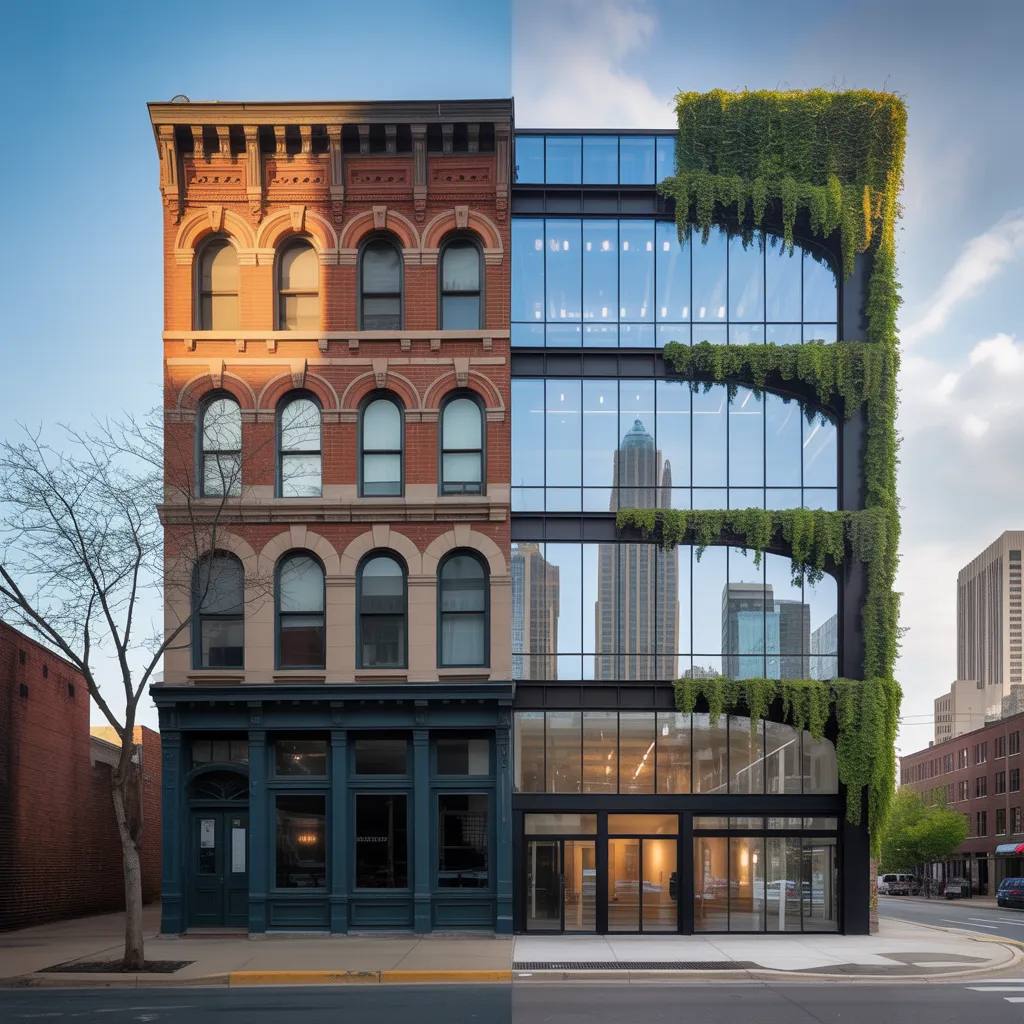
Although urban areas often deal with difficulties related to unoccupied structures and deteriorating neighborhoods, adaptive repurposing appears as a compelling strategy for rejuvenating communities. This strategy includes repurposing aging buildings for contemporary uses, preserving their historic value while addressing modern needs. By changing warehouses into lofts, churches into community centers, or factories into creative centers, cities can reinvigorate neglected areas.
Adaptive reuse doesn't just preserve architectural heritage but also encourages sustainability by decreasing waste and decreasing the need for new construction materials. Moreover, these projects often encourage economic development, bringing in local businesses and improving property values. Involving the community in the design process can also generate a sense of ownership and pride among residents. As urban planners and architects progressively embrace adaptive reuse, it becomes obvious that this innovative trend plays a vital role in creating vibrant, cohesive neighborhoods that acknowledge the past while looking towards a sustainable future.
Technology's Impact on Architecture
Technology profoundly shapes modern architecture by implementing smart building technologies that boost performance and productivity. Innovations in sustainable design are redefining how structures lessen environmental impact, while the integration of virtual reality enables architects and clients to visualize projects in extraordinary ways. Collectively, these advancements are revolutionizing architectural practices and enhancing the user experience.
Intelligent Infrastructure Technology
While architects steadily incorporate advanced methodologies, smart building technologies are reshaping the landscape of modern architecture. These technologies merge advanced systems that elevate operational efficiency, comfort, and security within buildings. Automated control systems, encompassing lighting, heating, and ventilation, optimize energy use while accommodating occupant needs. The integration of IoT devices permits real-time monitoring and management of diverse building functions, leading to improved maintenance and reduced operational costs. Additionally, smart technologies support better communication among occupants and systems, promoting a seamless user experience. As these advancements advance steadily, they reimagine architectural design principles, prioritizing adaptability and user-centric environments. Finally, smart building technologies set the stage for a more integrated and responsive architectural future.
Sustainable Design Innovations
Eco-friendly design advancements are transforming building design methods by integrating sustainable building materials and power-saving technologies that markedly reduce the ecological footprint of buildings. Architects are increasingly leveraging eco-conscious resources, such as bamboo and recycled metals, to minimize waste and foster sustainability. Cutting-edge energy systems, including solar panels and geothermal heating, are turning into standard features, substantially decreasing energy consumption. Furthermore, advanced water management solutions, such as rainwater harvesting and greywater recycling, are being implemented to improve resource efficiency. These practices not only contribute to a healthier planet but also generate enduring cost savings for building owners. By focusing on sustainability, architects are not only satisfying regulatory requirements but also meeting the growing demand for ecologically sound design in contemporary architecture.
Virtual Reality Implementation
In what manner can virtual reality (VR) transform the architectural design process? VR provides architects an immersive platform to visualize their designs in real-time, permitting clients to experience spaces before construction. By simulating environments, architects can make informed design choices and modify elements based on user feedback. This technology strengthens collaboration, permitting stakeholders to engage in interactive discussions and modifications. Additionally, VR facilitates a better understanding of scale and spatial assessment relationships, reducing the likelihood of costly errors. As a result, the design process becomes more streamlined, transparent, and client-centered. In the end, VR integration not only enhances the creative potential of architects but also enhances client satisfaction by fostering a deeper emotional connection to the spaces being designed.
Crafting Architecture for Better Communities
While neighborhoods typically prosper from social connections and shared experiences, the significance of architecture in cultivating these relationships cannot be overstated. Innovative architectural designs progressively prioritize communal spaces, promoting interaction and collaboration among residents. Amenities such as open courtyards, multipurpose gathering areas, and pedestrian-friendly pathways encourage social engagement.
Design experts are prioritizing sustainability and inclusivity, forming environments that meet the needs of diverse populations. By integrating local materials and reflecting cultural identities, buildings capture the community's essence. Also, adaptable spaces accommodate various activities, fostering neighborhood ties.
Smart technology integration enhances accessibility, ensuring that everyone can participate in community life. The addition of green spaces and recreational amenities enhances well-being, further reinforcing community ties. As architectural design advances, its capacity to build stronger communities grows more evident, demonstrating that thoughtful design can transform the social fabric of neighborhoods, forging connections that endure through time.
Popular Questions
What Are the Costs Associated With Contemporary Building Design Trends?
The financial implications of innovative architectural trends typically include increased material expenses, advanced technology implementation, specialized labor, and potential regulatory compliance fees, all of which can substantially impact budgets and project schedules.
In What Ways Do Architectural Movements Impact Property Values?
Architectural trends substantially affect property values by elevating aesthetic appeal and functionality. Properties that incorporate modern designs generally attract elevated demand, generating increased market value and potential resale prices due to their cutting-edge features and innovative designs.
Which Skills Are Necessary for Present-Day Architects?
Modern architects require solid design skills, technical competence in software, project management skills, strong communication capabilities, and a deep understanding of sustainability. The ability to adapt to changing trends and collaboration with diverse teams is equally essential for success.
How Can People Support Innovative Architecture in Their Local Communities?
People can promote innovative architecture by supporting sustainable designs, taking part in community planning meetings, backing local projects, collaborating with architects, and advancing educational initiatives that emphasize the value of modern architectural practices in their neighborhoods.
What Are the Future Predictions for Architectural Trends?
Future predictions for architectural trends include heightened sustainability, creative repurposing of spaces, incorporation of technology, biophilic design, and a commitment on community engagement. These elements work to create functional, environmentally friendly, and aesthetically pleasing environments for different populations.